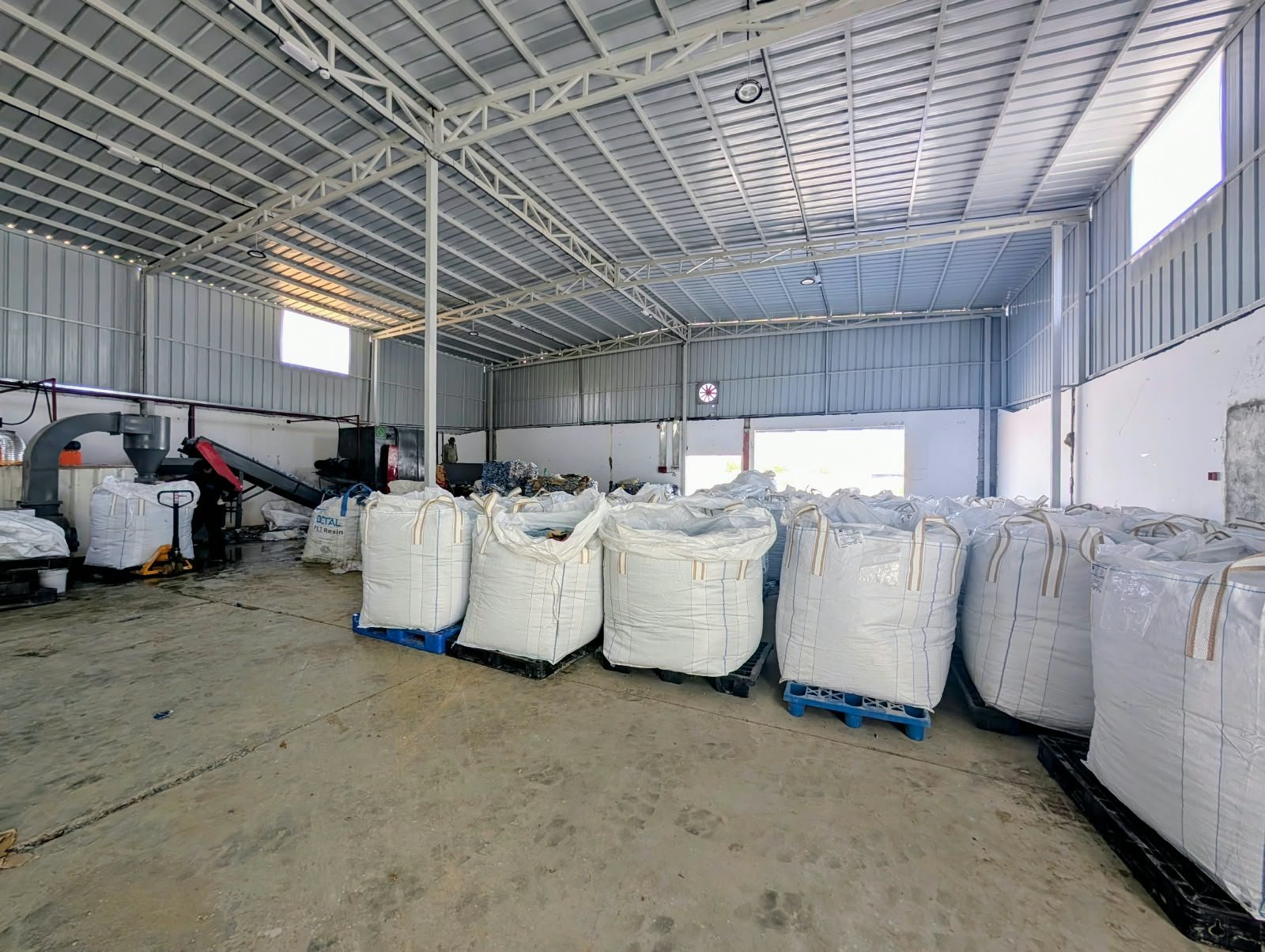
We review plastic scrap and recovered plastic from businesses in Oman.
Polymer, segregation, contamination, volume and location are assessed
before acceptance, collection and price are confirmed.
Past initiative · Oman hospitality · Programme concluded
Changing how Oman's hotels handled plastic
Over 15 months, Green Muscat worked with hotel teams in Oman to
improve segregation at source, organise plastic collection and make
progress visible through regular reporting.
15 months
Programme duration
200+
tonnes
Plastic collected
Up to 90%
Less plastic waste to landfill
Plastic waste sent to landfill at participating hotels. Figures are
company-reported programme results; results varied by property.
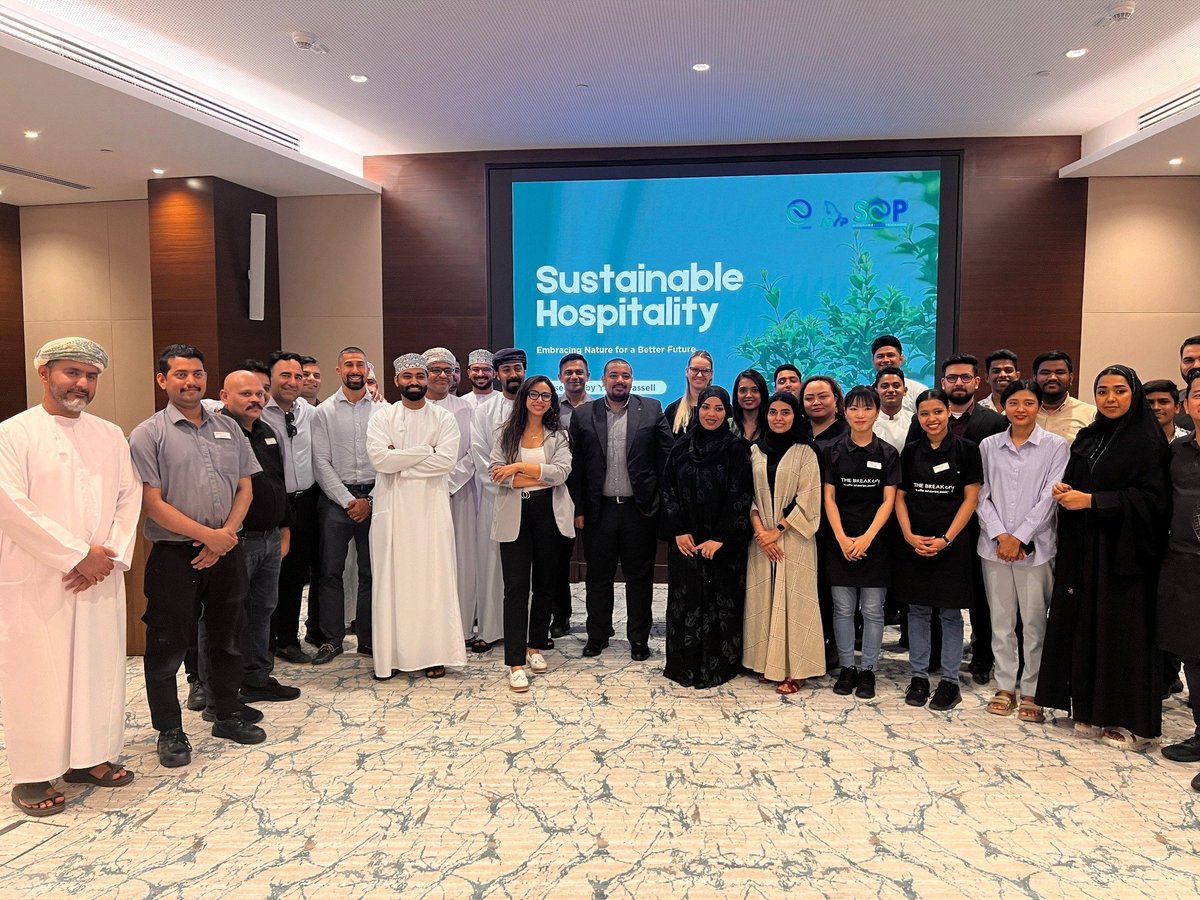
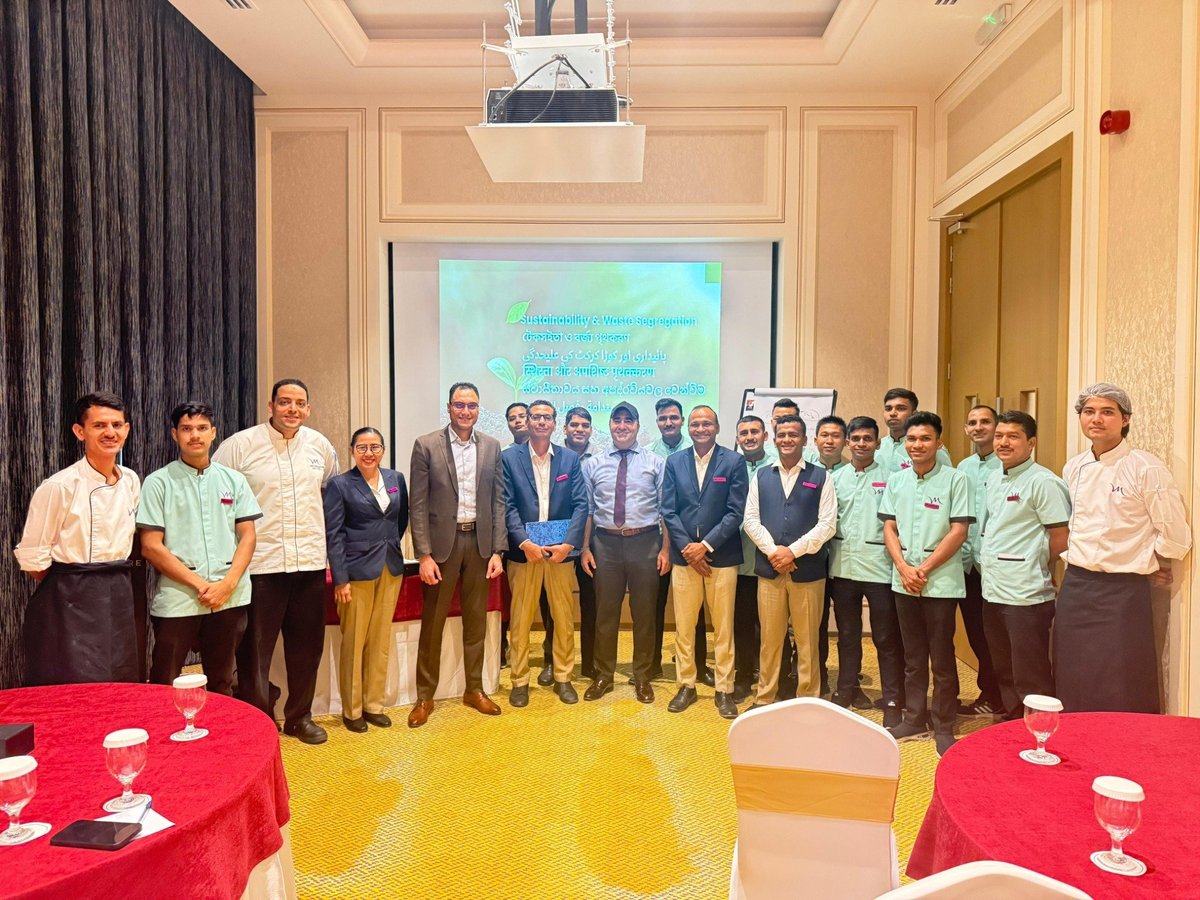
Hotel teams and Green Muscat at a Sustainable Hospitality session
during the programme.
Explore the project
Four short chapters and a report snapshot: how it started, how teams
changed practice, how collection worked and what the records showed.
01
A shared commitment
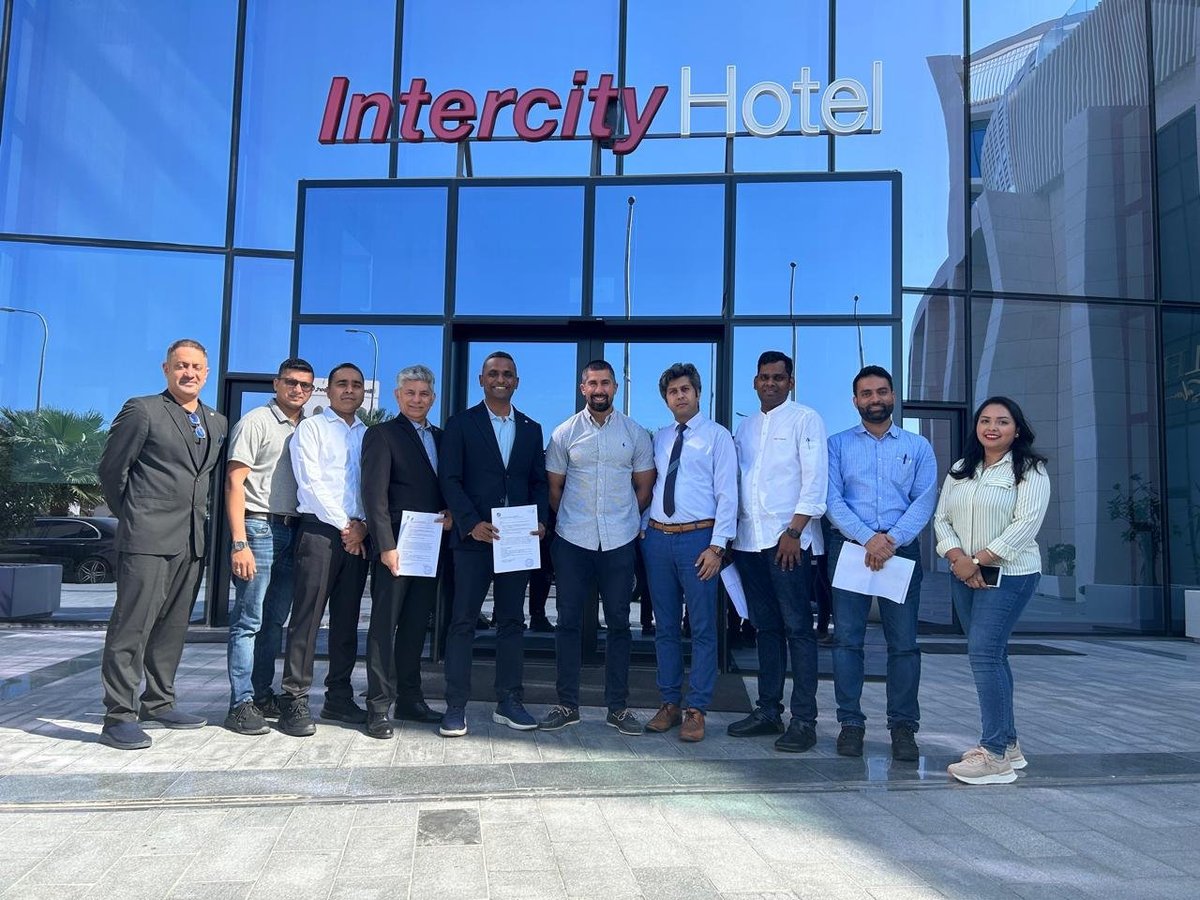
The programme began with agreements between Green Muscat and each
participating hotel. Properties signed up to a defined way of
working, which set out how plastic would be separated, how
collections would be organised and how results would be reported
back to the property.
Hotel teams marking participation in the programme.
02
Change started with people
The centre of the programme was practical training for the
hotel teams who handle waste every day. Sustainability and
waste segregation sessions were delivered in multiple
languages so that everyone understood what needs to be
separated and where each material should go.
Sessions were held on site, in the properties taking part, so
the people doing the sorting could ask questions about their
own waste streams.
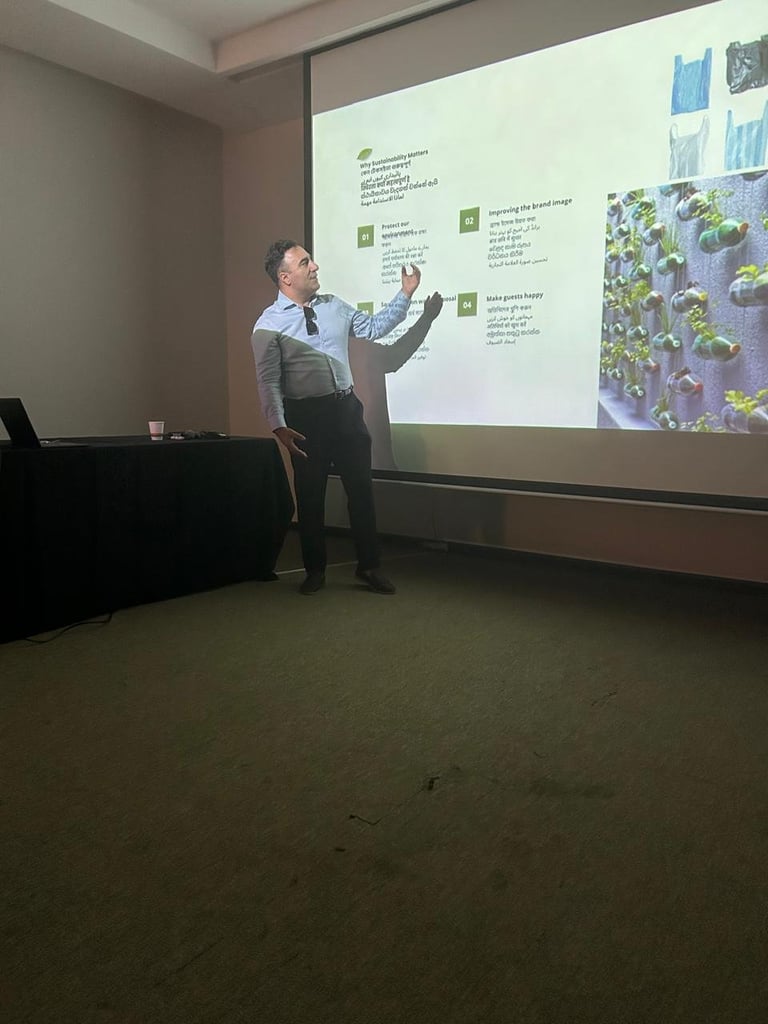
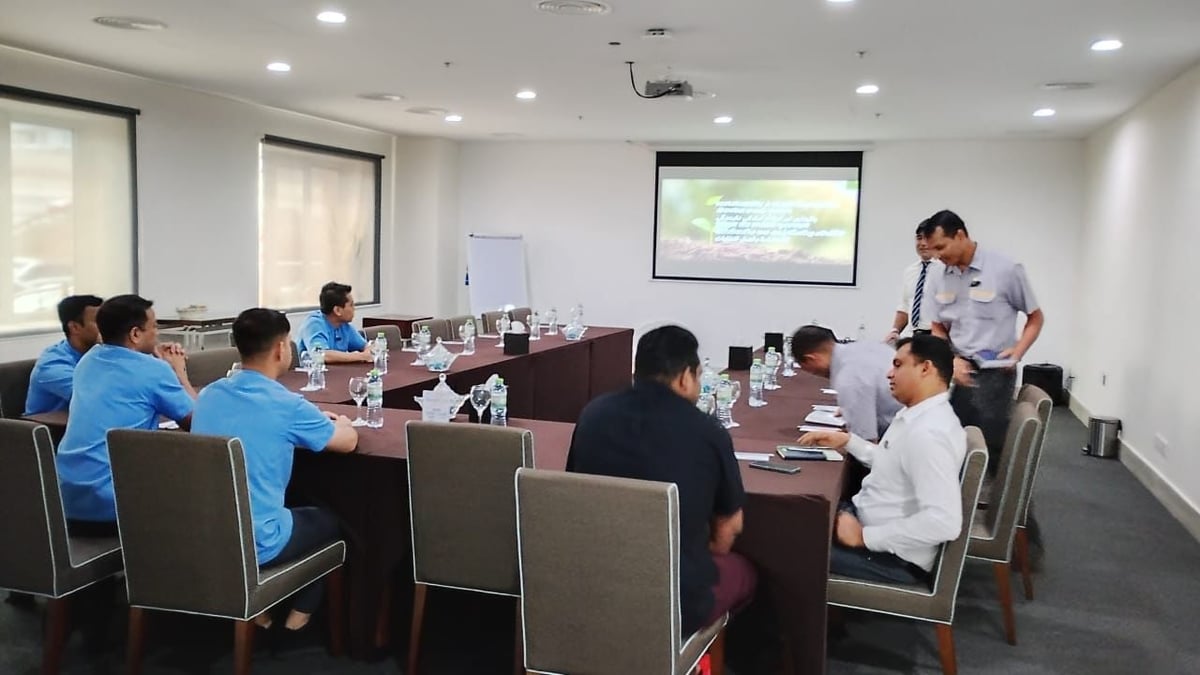
A sustainability and waste segregation session delivered to
hotel staff.
Hotel teams working through what gets separated and where each
material goes.
A large group of hotel staff at a Sustainability and Waste
Segregation session during the programme.
03
From sorting to collection
Separation at source was paired with organised collection, so
plastic that had been sorted stayed sorted when it left the
property. Collections were scheduled with each hotel as material
accumulated, keeping separated streams apart from general waste.
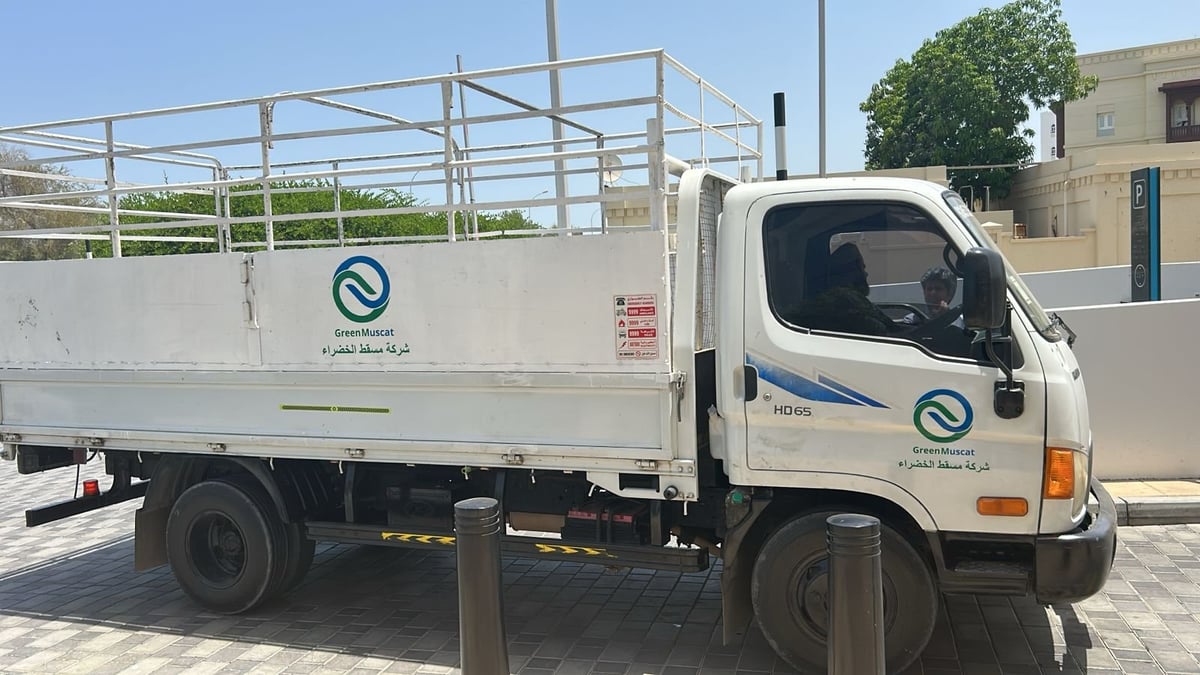
A Green Muscat collection vehicle used for scheduled collections
during the programme.
04
Measured, not just collected
Every collection was weighed and logged by material stream, then
summarised into a periodic report for the property. Each report
brought together monthly collection summaries, the material split,
trends over time, SDG and ESG alignment, environmental estimates
labelled with the methodology used, and operational observations
with recommendations.
The value is in the pattern, not the single total. Separate
material streams show where recovery is growing and where staff
guidance or collection arrangements can improve, so each report
points to the next practical fix rather than only counting what
left the site.
Separate material streams show where recovery is growing and where
staff guidance or collection arrangements can improve.
Report snapshot · Royal Tulip
One property · not the programme total
Royal Tulip report snapshot, 19 May 2025 to 4 May 2026
Reporting line
Recorded
Reporting period
19 May 2025 – 4 May 2026
Collections recorded
83
Plastic
3,847.99 kg
Cardboard
3,196.60 kg
Combined recorded weight
7,044.59 kg
One property's records for the period shown, a subset of the
programme. Programme figures are Green Muscat's own,
company-reported operations data.
Participating properties
Participating properties included hotels operating under
IntercityHotel, Mövenpick, Radisson Collection, Radisson, Radisson
Blu, Hilton Garden Inn, Novotel, Holiday Inn, Royal Tulip, Fraser
Suites, Levatio, Kyriad, W, InterContinental, Grand Millennium and
Swiss-Belinn brands.
The hotel programme has concluded.
Green Muscat no longer provides hotel waste collections. Our
collection service today is for factories, industrial estates,
warehouses and commercial premises in Oman.
We help turn collection records into sustainability reporting:
material weights, trends, team engagement and practical
recommendations for your ESG and sustainability communications.
SDG alignment
SDG 11 · Sustainable Cities and Communities
SDG 12 · Responsible Consumption and Production
SDG 13 · Climate Action
These labels describe how our work contributes to the goals. They
are not UN endorsement or certification.
Material recovery and segregation, with estimated impacts only where
the methodology is specified.
Social
Practical, multilingual staff training and ongoing engagement with
the teams doing the sorting.
Governance
Dated collection records, material-level reporting and documented
improvement actions.
Enquiry categories
What suppliers can offer us
We welcome enquiries for the material categories below. These are
enquiry categories, not a guarantee of acceptance — each offer is
reviewed on its own details.
PET bottles & preforms
Recovered PET beverage bottles and production preforms, ideally
separated from other plastics.
HDPE
Rigid high-density polyethylene such as containers, crates, drums and
industrial mouldings.
PP
Recovered polypropylene — crates, boxes, packaging and industrial
rigid parts.
LDPE / LLDPE
Flexible polyethylene, largely film and flexible packaging streams.
Baled or loose material can be described in the enquiry.
Industrial plastic scrap
Production scrap, offcuts, rejects and mixed industrial plastic waste
from factories and commercial sites.
Not sure it fits?
Describe the material in the form and we will tell you whether it is
something we can review.
How we assess an offer
Reviewed on five practical points
Every supplier enquiry goes through the same review. The more detail
you can share, the faster we can respond with a clear yes or no.
What we confirm after review:
whether we can accept the material, how collection would work, and
the price. None of these are confirmed at the point of enquiry.
1
Polymer
Which plastic type the material is, and whether it is a single
polymer.
2
Segregation
How the material is kept separate from other plastics and general
waste at your site.
3
Contamination
Levels of dirt, labels, adhesives, mixed material and moisture.
4
Volume
Approximate quantity, and whether it is a one-off or recurring
supply.
5
Location
Where the material is held, and whether you can deliver it to us.
Supplier enquiry
Tell us what you have
Share the material, an approximate quantity and the location. We
review the offer and come back to you on acceptance, collection and
price.
Photos
Photos are optional. You can email them after sending your
enquiry.
Email material photos
Supplier enquiry form
Fields marked * are
required.
Already selling recycled material?
Suppliers who already hold processed material — flake, granulate or
bales — are welcome to enquire using the same form. Tell us the grade
and consistency of what you hold.