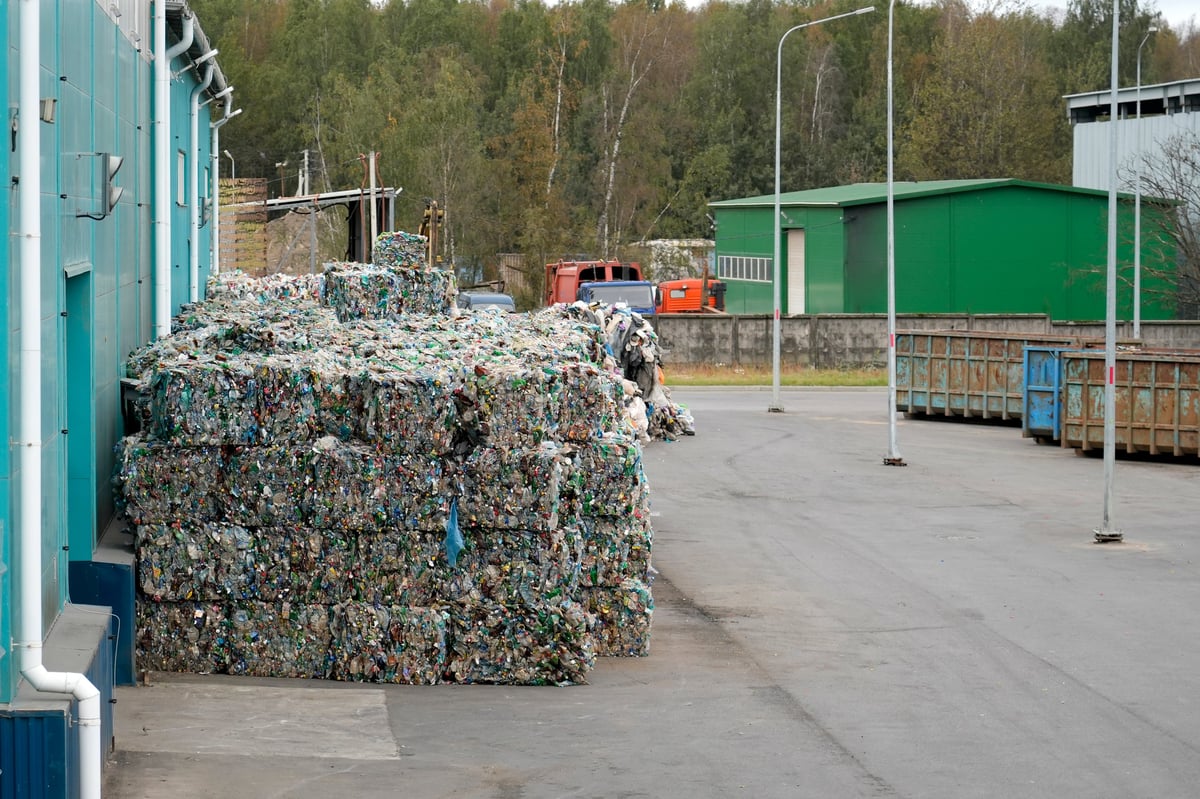
What traceability actually means
Traceability is the ability to follow material through the steps that took it from a used plastic stream to a finished recycled product — and to show evidence for each step. In practice that usually means a documented chain: where the material came from, how it was sorted and processed, and what left the facility.
It is not a single certificate or a logo. It is a working habit: recording information at each handover, keeping it attached to the batch, and being able to produce it when asked.
Why buyers ask for it
Most buyers of recycled material need to answer questions of their own — from customers, from internal sustainability teams, or from their own quality processes. If a supplier cannot describe where a batch came from and how it was processed, the buyer has to either accept the claim on trust or carry out their own assessment.
- Confirming the material is genuinely recycled rather than a blend of unknown origin
- Understanding variability before it reaches the production line
- Supporting internal reporting on recycled content with records rather than estimates
- Resolving a quality dispute with reference to what was actually agreed and delivered
Why suppliers benefit too
Traceability is not only a buyer's requirement. A recycler who can document their process has something to differentiate on: consistent material described with evidence, rather than a price alone. It also makes internal problems easier to trace — a contamination issue in a batch is far easier to investigate when the intake record exists.
The components of a practical chain of custody
Intake records
What arrived, from whom, and what it was described as.
Processing records
Which steps the material went through and under what conditions.
Batch identification
A reference that links a delivered bag or bale back to its history.
Output documentation
What was supplied, in what form, against which agreed specification.
Traceability and recycled content claims
"Recycled content" can be calculated in more than one way. Physical segregation tracks material kept separate through the process; mass balance approaches account for recycled input across a production run. The two can produce different numbers for the same product, which is why it matters to state the method alongside the percentage.
A useful question to ask: "How was this recycled content figure calculated, and can you show the records behind it?"
Where RACP fits
RACP is Green Muscat's own initiative for describing, tracing and assessing recycled content across plastic recycling supply chains. It brings together the definitions, documentation expectations and assessment approach that we work to — so that recycled content claims can be compared between suppliers rather than taken on trust.
It is a framework we are developing, and it is separate from our day-to-day material supply. If you want to know how RACP's scope applies to a specific material or claim, the team can talk it through with you directly.